Industrial vs domestic sewing machine: which is better?
A clear, honest comparison of industrial and domestic sewing machines to help you pick the right one for your work, from the team at Selene in Rajkot.
This is one of the most common questions we get at our Rajkot workshop. People walk in and ask, quite simply, which is better, an industrial machine or a domestic one. The honest answer is that neither is better. They are built for different kinds of work, and the right choice depends entirely on what you stitch every day.
What a domestic machine is really for
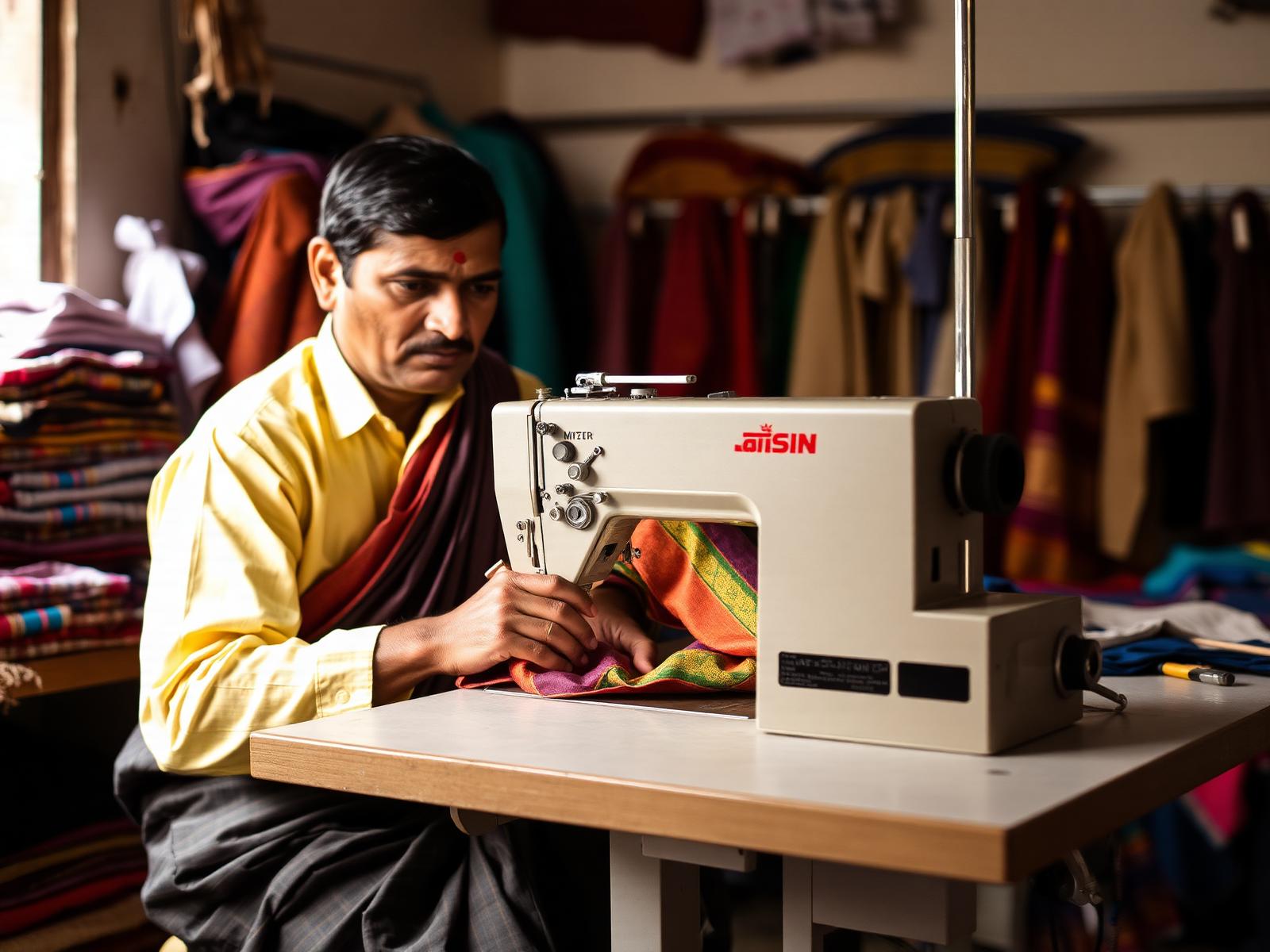
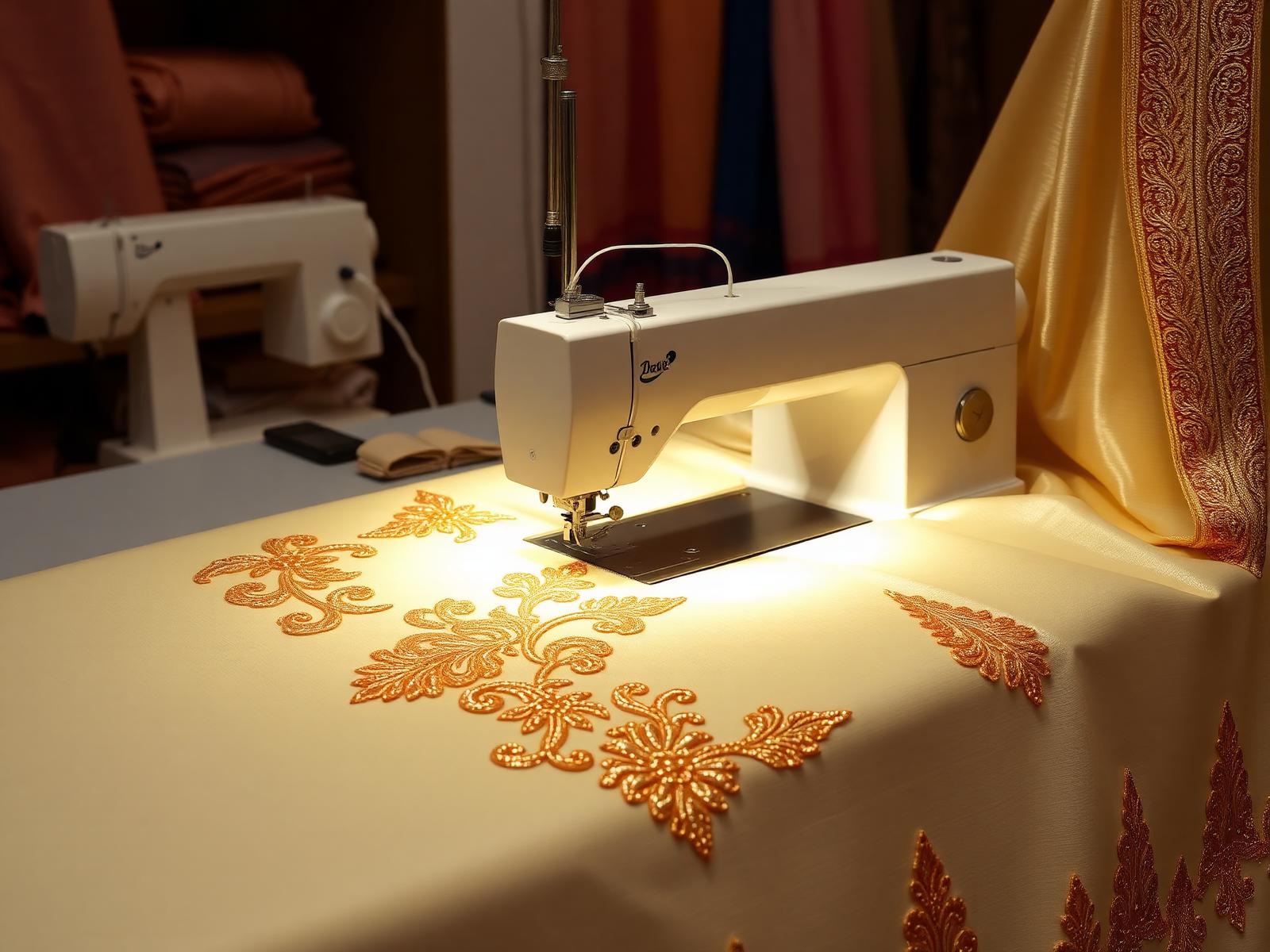
A domestic sewing machine is designed for home use and light tailoring. It handles everyday cotton, shirting, suiting, kids' clothes, simple alterations and small boutique work very comfortably. It is lighter, quieter, easier to move and easier to learn. For most home users and small tailors, it is more than enough.
What an industrial machine is built for
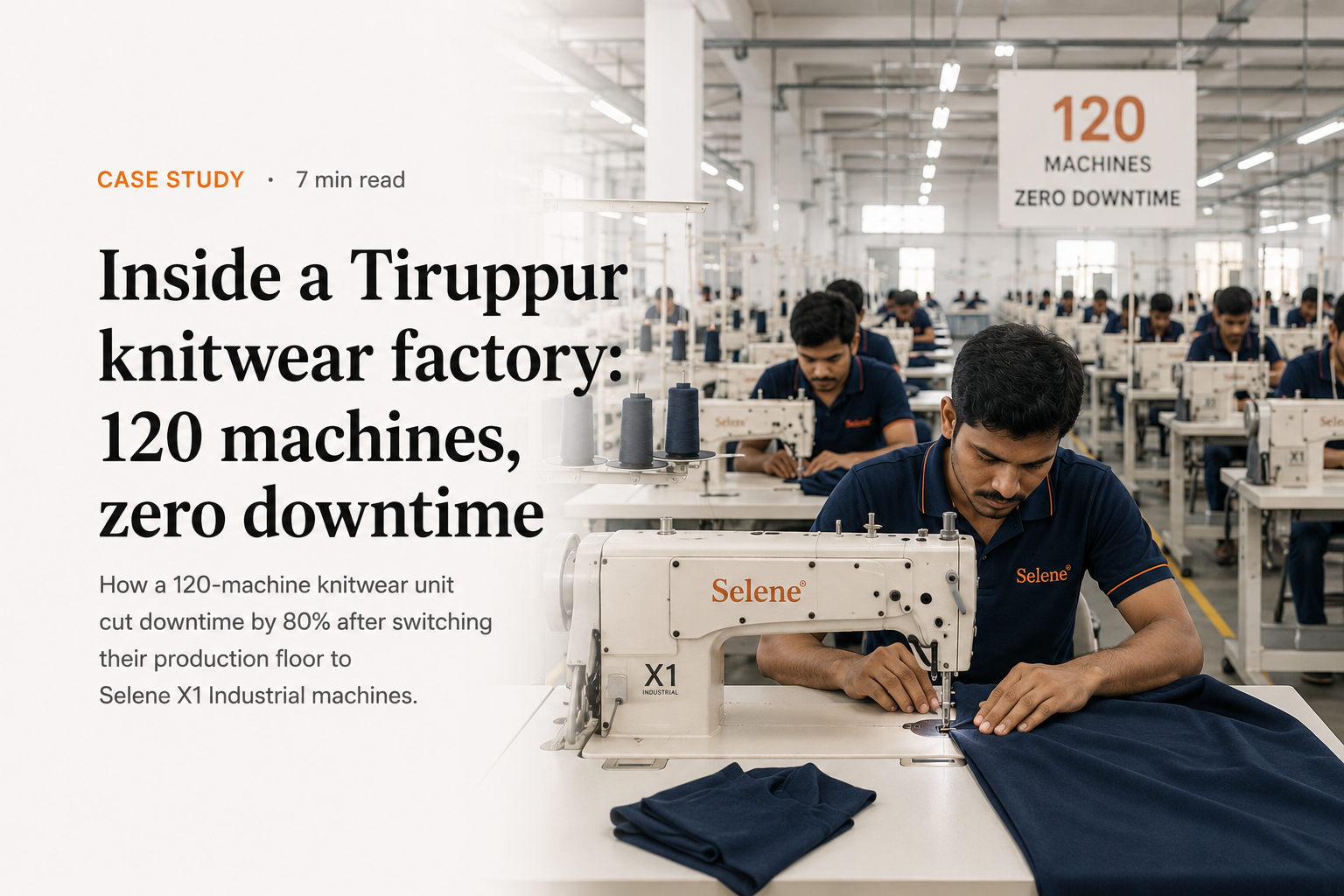
An industrial machine is built to run for long hours, day after day. It has a stronger motor, a heavier body, a bigger needle bar and a separate stand. It stitches faster and stays accurate even after hours of continuous work. Garment units, boutiques with steady orders, and shops working with denim or heavy materials usually need this.
Speed and power
Industrial machines are faster, but speed alone is not the real difference. The bigger difference is that they are made to handle pressure. Thicker fabric, longer runs and heavier thread are not a problem for them. A domestic machine forced to do industrial work will heat up, lose timing and need frequent repairs.
Space, noise and cost
Industrial machines need a proper table, more floor space and a power point that can handle the motor. They are also a bit louder. Domestic machines fit on a small table, run on a normal point and are easier to live with at home. The cost is usually higher for industrial, but if your work needs it, the machine pays for itself in time and repair savings.
What about heavy-duty domestic machines?
There is also a middle category, heavy-duty domestic machines, which are stronger than a regular home machine but still meant for home or small shop use. These are a good fit for tailors who occasionally stitch jeans, bags or thicker layers but do not need a full industrial setup.
So, which one should you pick?
If your work is mostly at home or a small tailoring shop with light to medium fabric, a domestic or heavy-duty domestic machine is the right choice. If you are running a boutique with steady orders, a small unit, or working with denim, leather, upholstery or bags, an industrial machine will serve you much better in the long run. If you are still unsure, walk into our Rajkot office or talk to us. We would rather help you pick the right one than sell you the wrong one.
Have questions about a Selene® machine?
Talk to our team — we'll help you pick the right model and connect you with your nearest dealer.
Talk to us →